Meditation Instructions & Inner Commentary
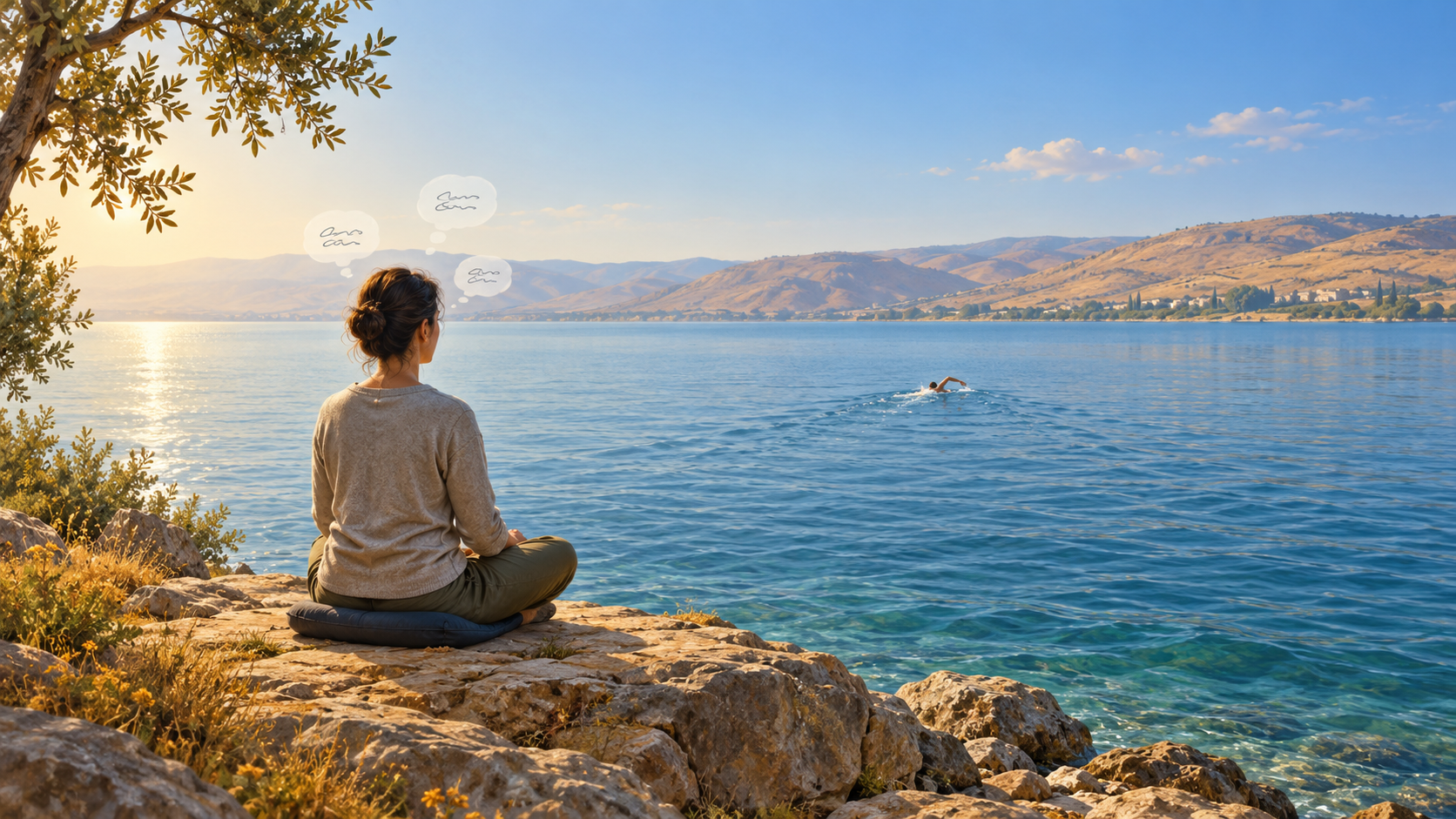
Why should we we follow structured meditation instructions when they seem to increase mental chatter?
A Meditator’s Question:
I learned to meditate in the Goenka tradition, beginning with Anapana and then body scanning. After a ten-day retreat, I spent about two years practicing only Anapana for 45-60 minutes at a time and experienced a tremendous change in my life.
Although this approach has been very useful, I find it boring. I am drawn to the clear structure, Meditative Games of The Playful Path to Awakening, and the scientific explanations of The Mind Illuminated, and I would like to commit to this kind of training.
However, whenever I try it, my inner commentary becomes much more active. I keep talking to myself about what to do, how it feels, and what comes next. This seems especially noticeable when working with Forgetting and Mind-Wandering: I recognize that I have wandered, remind myself to smile and appreciate having noticed, and then think about the task before returning to it. In my previous practice, I would simply return to the breath.
I understand the purpose of positive reinforcement and believe it can support progress. Still, the additional mental chatter is so disturbing that, after a few days or weeks, I return to simple Anapana. Does this more deliberate approach take me in the opposite direction from what meditation is meant to cultivate? How should I approach this difficulty?
Oded’s Answer:
First, it’s helpful to make a clear distinction between intentional inner commentary related to the meditation practice and automatic inner commentary related to distractions. On The Elephant Path, this is represented by the question of “who is leading the Elephant (the mind) - is it the Monkey (scattered, distracted attention) or the Meditator (the part of the mind following the meditation instructions)?” The only way for the Meditator to take the lead in the first Stages is to invest diligent effort in following the instructions, with that effort represented by the big Flames. That effort is expressed, among other things, through the inner commentary you mentioned: “let’s do this,” “remember that,” “way to go,” “make a correction,” etc. These thoughts are relevant, valid, and absolutely necessary for making progress. Only when we play the Meditative Game of Following the Breath do we eventually Follow in Silence, and begin to dial back the amount of verbal activity within the mind.
Is it more challenging and does it consume more energy than following the basic Anapana instructions taught on Goenka retreats? Oh, definitely. But it’s also more effective, and strengthens our “meditative muscles”.
This leads us to a second important question - what is it that we’re after? Is it the short-term benefits of meditation, which can indeed be “tremendous,” or are we aspiring “to reach the other shore,” and “go, go, go beyond,” all the way to Awakening? If it’s the latter, then investing the time and energy in following TMI and TPP is the way to go.
I like to compare it to swimming in the Kinneret, or the Sea of Galilee, as it’s known abroad. Most people swim close to the shore, enjoy themselves, strengthen their bodies, then go back. That’s similar to remaining with introductory Anapana or basic mindfulness instructions - fun, beneficial, recommended, but unlikely to get you very far. Fewer people decide to cross the Kinneret, literally “all the way to the other shore.” Should we want to do that, we have to become better swimmers, and invest time and energy in learning the proper technique, building strength and endurance, becoming aware of a wider range of relevant aspects of the sport, and listening to many, many words spoken by our trainer. The same applies to meditation.
Having said that - even those who do swim across the Kinneret don’t do it every time they get in the water. It’s perfectly acceptable to dial back the effort from time to time, adjusting the practice to what’s appropriate in the moment. It’s another form of liberation - our freedom includes freedom from “the chains of practice”. It’s for us to decide when and where to make the extra effort, and when to enjoy the simplicity of light meditation.
With Metta,
Oded