Frightening Emptiness
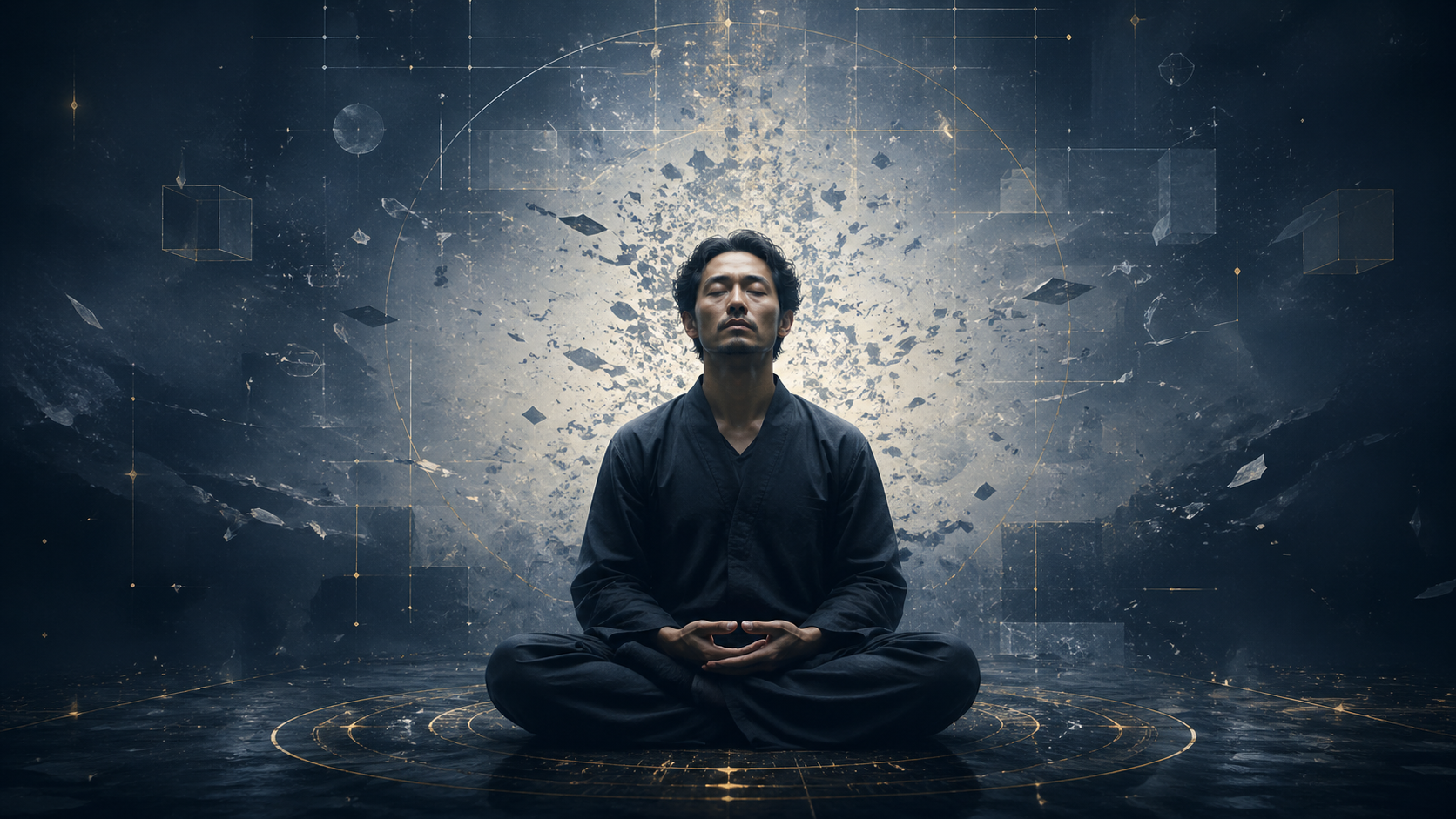
How do we integrate an unexpected Insight that leaves us fearful, disoriented, and struck by nihilism?
A Meditator’s Question:
Recently, during meditation practice, I experienced a sense of emptiness that felt quite frightening. When it became clear that both subject and object were mental fabrications, it felt as though my whole sense of self, or ego structure, suddenly crumbled.
Once I saw the whole network of judgments and opinions, I realized that I had been clinging even to the “positive” aspects of self, such as achievements, career, and success. I now realize these are empty signifiers, and there has been some grief and fear that if I let go of them, I am somehow doomed. It also feels like without these things really mattering, life is somehow pointless.
Since then, I have felt disoriented and unsure how to relate to what happened.
As someone who has had similar experiences on your own journey, could you help me make sense of it? How should I integrate this unexpected realization? When you had this kind of experience, did it change the way you felt about yourself and viewed yourself as a person?
Oded’s Answer:
What you describe does sound like a significant Insight - profound enough to be understandably frightening.
When we begin to see through the apparent solidity of subject and object, it is not unusual for fear to arise. While this may be a clear sign of progress on the path, it can also be deeply disorienting to our ordinary sense of self, or ego structure, and I can relate to your sense of collapse. I’ve indeed been there myself, and I know firsthand how challenging it can be when Insight begins to undo the assumptions on which our worldview was built.
This is a well-known and common phenomenon in meditative practice, and it doesn’t necessarily mean that anything has gone wrong. Quite the opposite - it may well be a meaningful breakthrough.
Given where you currently are, the immediate challenge is integrating the Insight, both intellectually and experientially. With continued observation and proper guidance, the dread can gradually give way to tranquility and equanimity. It’s also helpful to learn more about the mind and the progress of Insight. Intellectual understanding can help stabilize the experience and make sense of what unfolds in meditation.
To integrate the Insight of Emptiness, it helps to examine its different elements and identify which one is triggering the dread. For me, it had to do with seeing the illusory and impermanent nature of things I had deeply identified with and clung to: my youth, my looks, my family, my professional activity, and more. It’s natural to feel some grief as the old way of viewing life begins to fall away. I felt very different and quite lost. Over time, though, as I learned to let go, the disorientation gave way to clarity and peace.
Second, I find it incredibly helpful to cultivate samatha (“calm-abiding”), not only vipassana (“clear-seeing,” Insight). I like looking at the insights as a razor blade that cuts through illusions. In this analogy, samatha is like shaving cream - it smooths the process out, making it more effective and tolerable.
The experience did affect the way I view myself - more as a “changed” person than a “new” person. The process promoted maturity and personal growth gradually. I didn’t become “Oded v2.0.”
I can relate strongly to what you’re describing, including the sense of pointlessness that can arise when we begin to see the illusory nature of the things we were chasing.
The good news is that this nihilistic phase is usually not the end of the story. With continued practice, steadiness, and good guidance, it gradually gives way to a deep sense of peace and freedom.
We can still engage with our work, goals, and interests, but from a more playful and liberated perspective, rather than from the old conditioning that says, “I must have X to be happy.”
In conclusion, I suggest balancing the potentially uncomfortable Insights that can arise through vipassana with the calming effects of samatha. The process is significantly easier when these realizations arise in a mind that is joyful, tranquil, equanimous, mindful, and highly attentive. The Playful Path could be a good starting point for cultivating these qualities in your practice in a structured and gradual way.